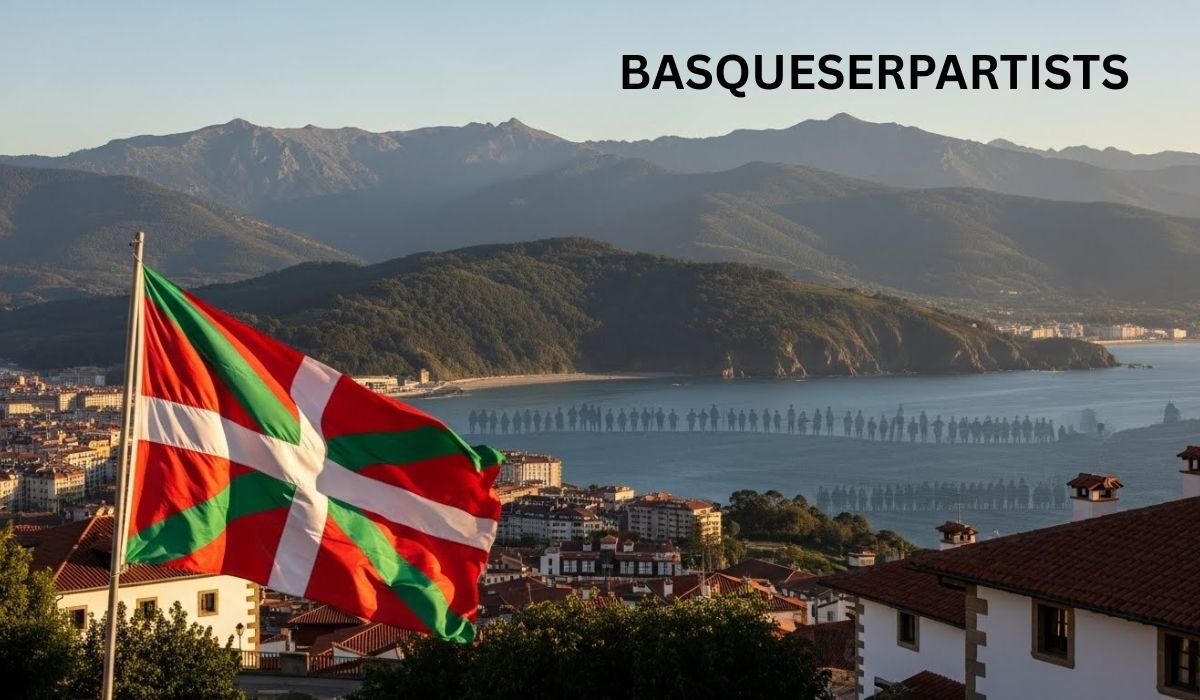
At first, the term “Basque separatists” is strange. It is like a conglomeration of ideas and not a neat tag. The truth is that is exactly what it is. The term basqueserpartists associates Basque culture, art, resistance, memory, and identity into a single expression. It describes the creators, performers, thinkers, and activists who apply culture as the method of protection and the method of expression of what it is like to be Basque.
Even though the term might seem a modern one, the origins of Basque separatists date thousands of years back. We shall have to know the Basque people themselves first in order to make them out.
The Basque People and Their Unique Identity
Basque country is located between southwest France and northern Spain. On a map, it looks small. Nonetheless, it is culturally different from the rest of Europe. Basques speak Euskara, which is a pre-Latin language that does not belong to any other language family. This has led to the fact that Basque identity did not always melt into the cultures around it.
The sense of pride had been developed over time by food customs, folk sports, music, and the strong community ties. Consequently, it was no longer a heritage to be Basque. It became a form of survival. This vigorous identity would later form what is today referred to as Basque separatists.
The Mythological Roots of Basqueserpartists
Myths of Basque abounded long before politics came into the scene. There were numerous tales of the ancient times in which there were serpent shapes. Those serpents represented power, transformation, fertility and unity with nature. The Basque serpents, unlike the negative serpent images in other societies, typically represented wisdom and protection.
This tradition is kept to this day by the Basque separatists. They employ the serpent imagery in the paintings, sculptures, dance, music and the performance. Nevertheless, they do not imitate the past. Instead, they mix the symbols of the ancient world with the contemporary themes, making the culture alive and relevant.
When Culture Turned Into Resistance
Basque identity was under threat in the 20th century. During the Franco dictatorship in Spain, the Basque language in schools, media and even in the streets was banned. Families were not allowed to use Euskara outside the homestead in any legal manner. This oppression formed intense fear and anger.
This was the time when Basque separatists appeared in various forms. Some turned to politics. Others chose activism. Most of them embraced art as a less risky form of resistance. They had faith that in case the state attempted to destroy culture, culture would respond.
The Complex Chapter of ETA
There can be no talk of Basque separatists without referring to ETA. ETA was an organization that originated in 1959 and pursued Basque independence. Gradually, it applied violence such as bombings and assassinations. These actions instilled fear and pain, particularly in civilians.
The tale is, however, convoluted. Abuses by the Spanish government were also committed, such as torture and unlawful counter-terror. Families were victims all round. Authors and orators subsequently went to great lengths to add depth into the dialogue.
To most basqueserpartists, this violence was what art responded to. They preferred memory, testifying and creativity rather than arms. This way, they transformed resistance into something that would heal instead of destroying.
Art as a Silent Language of Survival
Art was silent when politics had failed or was hazardous. Sculpture, murals, literature and music of the Basque had subtexts. Sculptures such as those by Eduardo Chillida were more free and identifying, without slogans.
On the same note, Euskara music saved language in circumstances when people could not speak publicly. Stories, which were overlooked by official histories, were written down by the writers. In such attempts, Basque separatists made sure that the culture did not die off.
They spoke in low tones instead of yelling. But those whispers were longer than sound.
Modern Basqueserpartists and Cultural Evolution
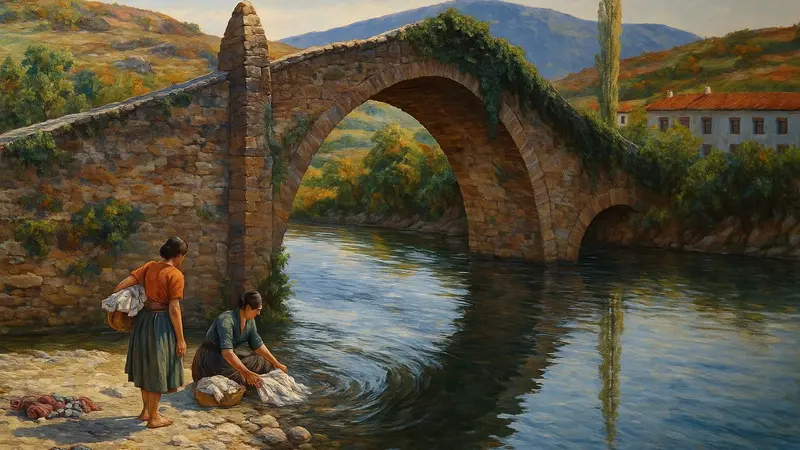
Basqueserpartists now appear different. The attention was no longer paid to armed conflict after ETA disbanded in 2018. Today, film directors, designers, dancers, chefs and digital artists have assumed the cultural torch.
They translated Euskara to movies and the Internet. They combine folk music and electronic sounds. They are the creators of the modern art with the serpent symbolism. Thanks to this development, Basque separatists do not lose their roots but they keep growing.
Serpent Symbolism in Contemporary Work
Still significant is imagery of serpents. The serpents are used by the work of modern Basque separatists as a sign of change, continuity and strength. Flowing forms, curving motion, and spiral patterns are frequently employed by artists in echoing this ancient symbol.
This symbolism assists in linking the past and the present. The shape is contemporary, but the meaning is very Basque.
Where Basqueserpartists Appear Today
The Basque separatists are today found everywhere. Basque festivals are typically characterized by the performance and visual art inspired by serpents. Baskic mythology and contemporary interpretation have their exhibitions in museums in Spain and France.
Also, Basque separatists can access international audiences through online platforms. Basque culture is being represented in digital galleries and films as well as music streams, which have spread far beyond the borders of Basque territory.
Basqueserpartists Beyond Europe
Basque identity never remained in Spain and France. Several Basques moved to Argentina, Chile and the United States. Such cities as Boise, Idaho, have a great Basque community.
Basqueserpartists are cultural intermediaries in these locations. They hold festivals, language classes and traditional dances. In spite of being way away, the identity continues and develops.
Memory and Storytelling as Protection
Memory is one of the key elements in the work of Basque separatist artists. When trauma is disregarded, it does not vanish away. Instead, it grows heavier. Due to that, a great number of artists pay attention to testimony and narrative.
These tales are found in books, interviews and public lectures and were formerly suppressed by official history. The attempts are not revengeful. They are instead seeking enlightenment and sincerity.
Cultural Importance in a Globalized World
The smaller identities are lost within the contemporary global culture. Speed and sameness are the preferred aspects in mass media. Basque separatists react against this tendency by demonstrating that uniqueness is not a dead thing.
They demonstrate that culture does not require consent to live. They maintain Basque identity in the world arena through art, memory and language.
Key Characteristics of Basqueserpartists
| Aspect | Description |
| Cultural Roots | Deep connection to Basque mythology and history |
| Symbolism | Strong use of serpent imagery |
| Expression | Art, music, dance, writing, and performance |
| Purpose | Cultural preservation and identity protection |
| Modern Reach | Festivals, museums, and online platforms |
This table shows how basqueserpartists balance tradition with innovation.
Why Basqueserpartists Still Matter Today
Basqueserpartists matter because they remind the world that culture can resist erasure. They show that identity lives in language, art, and memory, not only in borders or laws.
Moreover, they offer a lesson for other communities. When voices feel silenced, creativity opens new paths. When politics divide, culture can unite.
Final Thoughts
Basqueserpartists do not fit into one simple definition. Some carried political banners. Others carried guitars, paintbrushes, or stories. Yet all of them shared one goal: protect Basque identity.
Today, basqueserpartists continue that mission in quieter but powerful ways. They prove that culture survives through patience, creativity, and memory. In a fast-changing world, their story reminds us that identity grows strongest when people choose to keep speaking, creating, and remembering.
Frequently Asked Questions
What does basqueserpartists mean?
Basqueserpartists refers to Basque creators and cultural figures who express identity through art, symbolism, and resistance.
Are basqueserpartists linked to Basque mythology?
Yes, many works draw inspiration from ancient Basque myths, especially serpent symbolism.
Is basqueserpartists a modern movement?
It blends ancient traditions with modern creativity, making it both old and new.
Where can I see basqueserpartists’ work?
You can find it in Basque festivals, museums, galleries, and online platforms.
Why are basqueserpartists important globally?
They show how culture can survive pressure, conflict, and globalization through creativity and memory.
Also Read About :- Social Jump: Social Media