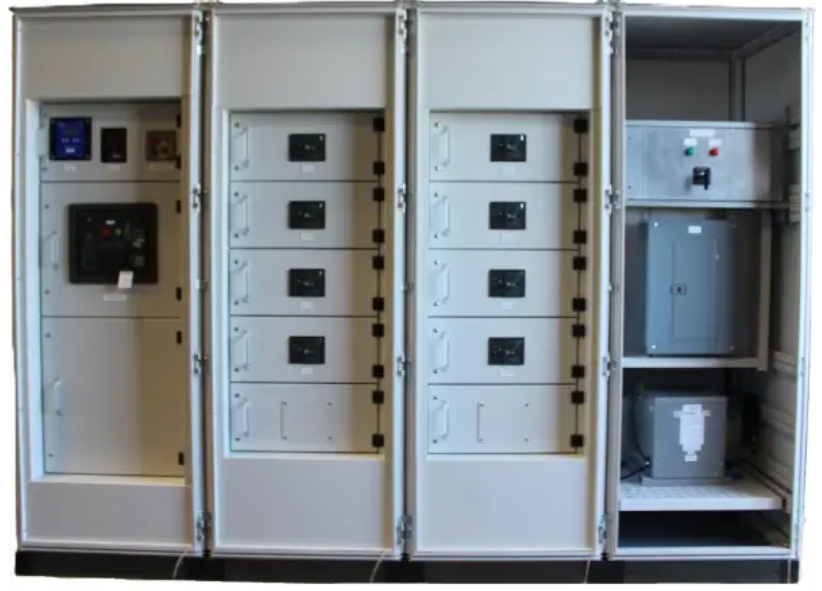
Reliable electrical infrastructure is the backbone of modern industrial, commercial, and infrastructure projects. At the heart of this infrastructure are well-designed switchgear power solutions that ensure safe power distribution, protection, and control. Choosing the right system—from the main switch board to the master switch board—plays a crucial role in maintaining efficiency, safety, and long-term operational reliability.
This article explores how switchgear systems work, the roles of main and master switch boards, and what factors to consider when selecting the right solution for your facility.
What Are Switchgear Power Solutions?
Switchgear power solutions refer to a combination of electrical devices designed to control, protect, and isolate electrical circuits. These systems are essential for managing power flow and minimizing the risks associated with electrical faults such as short circuits, overloads, or equipment failure.
A complete switchgear solution typically includes circuit breakers, isolators, protection relays, and control panels. Together, these components ensure that electrical systems operate safely and efficiently, even under demanding conditions.
The Role of the Main Switch Board
The main switch board acts as the primary distribution point within an electrical system. It receives power directly from the utility supply or transformer and distributes it to various sub-circuits and downstream panels throughout a building or facility.
A well-designed main switch board provides reliable power distribution while allowing operators to control and isolate circuits when necessary. It also plays a key role in protecting equipment by housing essential protective devices that respond to electrical faults quickly and effectively.
In most installations, the main switch board serves as the foundation upon which the entire electrical network is built.
Understanding the Master Switch Board
A master switch board is typically used in larger or more complex electrical systems where centralized control and monitoring are required. Unlike a standard main switch board, a master switch board oversees multiple distribution boards and integrates advanced control and automation features.
Master switch boards are commonly found in facilities such as manufacturing plants, hospitals, data centers, and large commercial complexes. They enable operators to monitor system performance in real time, manage power loads efficiently, and respond rapidly to abnormal conditions.
By acting as a central command point, the master switch board enhances system reliability and operational visibility.
How Main and Master Switch Boards Work Together
In an integrated switchgear power solution, the main switch board and master switch board work in coordination. The main switch board focuses on distributing electrical power safely, while the master switch board provides higher-level control, coordination, and monitoring.
This layered approach allows for better fault management, improved maintenance planning, and smoother system operation. It also supports future expansion, as additional switch boards can be integrated without disrupting existing infrastructure.
Key Considerations When Choosing Switchgear Power Solutions
Selecting the right switchgear system requires careful planning and technical expertise. One of the most important factors is understanding your facility’s power load requirements. Accurate load calculations ensure the system can handle both current demand and future growth without compromising safety or efficiency.
Safety and compliance are equally critical. Switchgear power solutions must meet relevant electrical standards and include robust protection mechanisms to prevent accidents and equipment damage. High-quality insulation, proper earthing, and reliable circuit protection are essential features.
Scalability should also be a priority. Modular main switch board and master switch board designs allow systems to be expanded or upgraded with minimal disruption, making them ideal for growing facilities.
Environmental conditions play a significant role as well. Temperature, humidity, dust, and corrosive environments can affect equipment performance and lifespan. Choosing suitable enclosures and materials helps ensure long-term reliability.
Benefits of Well-Designed Switchgear Systems
Investing in the right switchgear power solutions offers multiple long-term benefits. Properly designed systems enhance electrical safety, reduce downtime, and improve overall energy efficiency. They also simplify maintenance by providing clear system layouts and accessible control points.
A well-planned main switch board ensures stable power distribution, while a modern master switch board enables advanced monitoring and control. Together, they create a resilient electrical infrastructure capable of supporting critical operations.
Applications Across Different Industries
Switchgear power solutions are used across a wide range of industries. Industrial facilities rely on them to power machinery and automation systems. Commercial buildings depend on them for lighting, HVAC, and IT infrastructure. Healthcare facilities require highly reliable systems to support life-saving equipment, while data centers depend on master switch boards for continuous monitoring and uptime.
Each application demands a tailored approach, making professional system design and engineering essential.
Future Trends in Switchgear Power Solutions
As technology evolves, switchgear systems are becoming smarter and more efficient. Modern master switch boards increasingly incorporate digital monitoring, remote access, and predictive maintenance capabilities. These advancements help facility managers identify potential issues early and optimize energy usage.
Upgrading to intelligent switchgear power solutions ensures long-term value and readiness for future electrical demands.
Conclusion
Choosing the right switchgear power solutions is a vital decision that affects safety, efficiency, and scalability. From the main switch board that distributes power to the master switch board that provides centralized control, each component plays a crucial role in building a reliable electrical system.
By carefully assessing load requirements, safety standards, environmental conditions, and future growth, organizations can implement switchgear solutions that support stable and efficient operations for years to come.